
AI isn't just for big tech companies anymore. Here's a practical, no-hype look at the AI tools that are genuinely useful for Kenyan SMEs right now - and how to start using them.
There's a lot of noise around AI right now. Every conference, every blog post, every LinkedIn update seems to be screaming that AI will either save your business or kill it. The reality, as usual, is more nuanced - and more practical.
Kenya's AI landscape has matured considerably. The government launched its AI Strategy 2025–2030, positioning Kenya as a hub for AI adoption across agriculture, healthcare, fintech, and education. More importantly, the tools themselves have become accessible. You no longer need a data science team or a massive budget to benefit from AI.
Here's what's actually working for Kenyan businesses today.

Customer Service: The Biggest Quick Win
If you run a business in Kenya, you know that handling customer queries is a constant drain on your team's time. The same 10–15 questions get asked hundreds of times: What are your prices? Do you deliver to Mombasa? How do I pay? What are your working hours?
AI-powered chatbots - platforms like Tidio, ManyChat, or a custom WhatsApp bot - can handle these queries automatically, 24 hours a day. Customers get instant responses at midnight and on weekends. Your team focuses on the complex queries that actually need a human.
The setup is simpler than you think. Tools like Tidio have free tiers that are genuinely capable. A basic chatbot for a Kenyan SME can be live in a weekend, and the reduction in repetitive customer queries is immediate and measurable.
Marketing and Content: Save Hours Every Week
Writing is time-consuming. Social media captions, email newsletters, product descriptions, blog articles - every business needs them, and most don't have dedicated copywriters. This is where generative AI earns its keep.
Tools like ChatGPT, Claude, and Gemini can draft content in minutes. The key word is "draft" - AI-generated content needs a human edit to make it sound like your brand and reflect local context. But going from a blank page to a solid first draft is the hardest part, and AI handles that instantly.
Canva Magic Write, Mailchimp's AI assistant, and similar tools integrate directly into platforms you're probably already using, making this even more accessible. Kenyan businesses using these tools report saving 5–10 hours per week on content-related tasks.
Inventory and Demand Forecasting
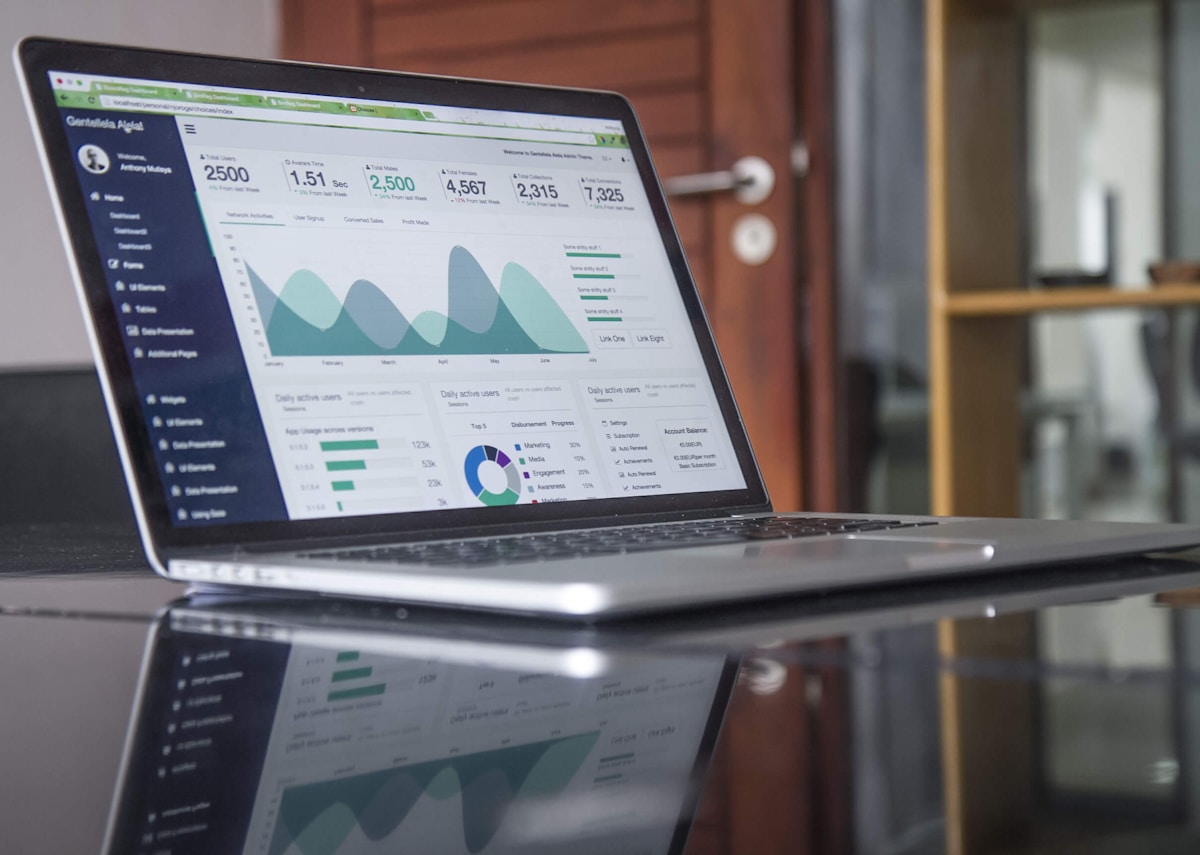
For retail businesses and distributors, one of the most costly problems is getting stock wrong - either overstocking and tying up cash in slow-moving goods, or stockouts that lose you sales. AI-powered inventory tools can analyse your sales history and flag when to reorder, what quantities to hold, and which products are trending.
Tools like Zoho Inventory and TradeGecko incorporate AI-driven predictions. Even simpler: feeding your sales data into Google Sheets with a well-prompted AI assistant can give you surprisingly good demand forecasts. A mid-sized FMCG distributor we worked with in Nairobi reduced stock wastage by 23% in six months using nothing more sophisticated than structured data and AI analysis.
Finance: From Manual to Automated
In February 2026, Sage Intacct launched in Kenya - a cloud-native, AI-enabled financial management platform aimed at growing organisations. It's a signal of where the market is heading: AI isn't just helping you write faster, it's taking over repetitive financial tasks like expense categorisation, invoice matching, and cash flow projection.
For SMEs not ready for enterprise software, even simpler wins are available. AI can reconcile your M-Pesa statement against sales records, flag unusual transactions, and generate financial summaries from your accounting data. Tools like QuickBooks Online have incorporated these features at accessible price points.
AI for Agriculture - A Specifically Kenyan Opportunity
Kenya is still primarily an agricultural economy, and some of the most impactful AI applications here are in farming. Crop disease detection using smartphone cameras, soil analysis tools, weather-linked planting advice, and price prediction systems for smallholders are all being deployed in Kenya right now.
If you operate in agribusiness, agri-fintech, or any sector that touches Kenya's farming communities, AI-powered field tools are worth serious attention. The technology exists; the distribution challenge remains.
What AI Won't Do for You
It's worth being honest. AI won't replace your sales team, build client relationships, or make strategic decisions for your business. It won't magically grow your revenue. What it does is remove the low-value repetitive tasks that slow everything down - freeing your team to focus on the work that actually moves the needle.
The businesses winning in Kenya right now aren't the ones waiting for AI to become perfect. They're the ones experimenting, learning what works, and building AI into their operations incrementally.
Where to Start
Don't try to implement everything at once. Pick one pain point - probably customer service or content creation - and solve it with a simple AI tool this month. Learn from that, then move to the next one. Kenya's competitive landscape is moving fast; incremental AI adoption beats waiting for the perfect implementation.
Want to explore what AI can do for your specific business? Talk to the Tukoweb AI team - we'll show you what's actually practical for your situation.